The volume remote control for our family room TV stopped working last week. So my wife asked me to fix it.
I replaced the batteries.
It didn’t work.
I tried to resync via Bluetooth.
It didn’t work.
Then I thought: Why do we have separate remotes for changing the channel and adjusting the volume anyway?
So I tried to add the volume function to my TV remote.
I couldn’t do it.
Apparently, our TV’s soundbar is connected to the TV controller via an optical connector. The only way to add volume to the TV remote is through an HDMI cable.
And that presented another problem … the soundbar and controller are four feet apart and around the corner from each other. And believe me, Mrs. Black was not going to live with four feet of visible cable flopping around our family room.
Which left me with just one, fairly difficult option: hide the cable by connecting the two devices through the wall they share in common.
If you think that hurdle put an end to this adventure, you don’t know me well.
Instead, I headed to the hardware store in search of “fish tape,” so named because this is what electricians (and stubborn cybersecurity professionals) use to hook and pull wires through walls.
Back home, fish tape in hand, and after many, many attempts to feed the wires through the hard-to-reach, tiny holes in the wall, I was successful. The two devices were now connected, allowing the Black family to use just one remote for both TV channel changing and volume. As nature intended.
From there, I proceeded to spend the next hour showing family members, neighbors, and an Amazon delivery driver the elegance of my work. I considered FaceTime-ing my extended family, but you know, I don’t like to brag.
But why did I choose an optical connector in the first place? I don’t remember. Maybe it came with the soundbar. Maybe a buddy told me the sound would be better.
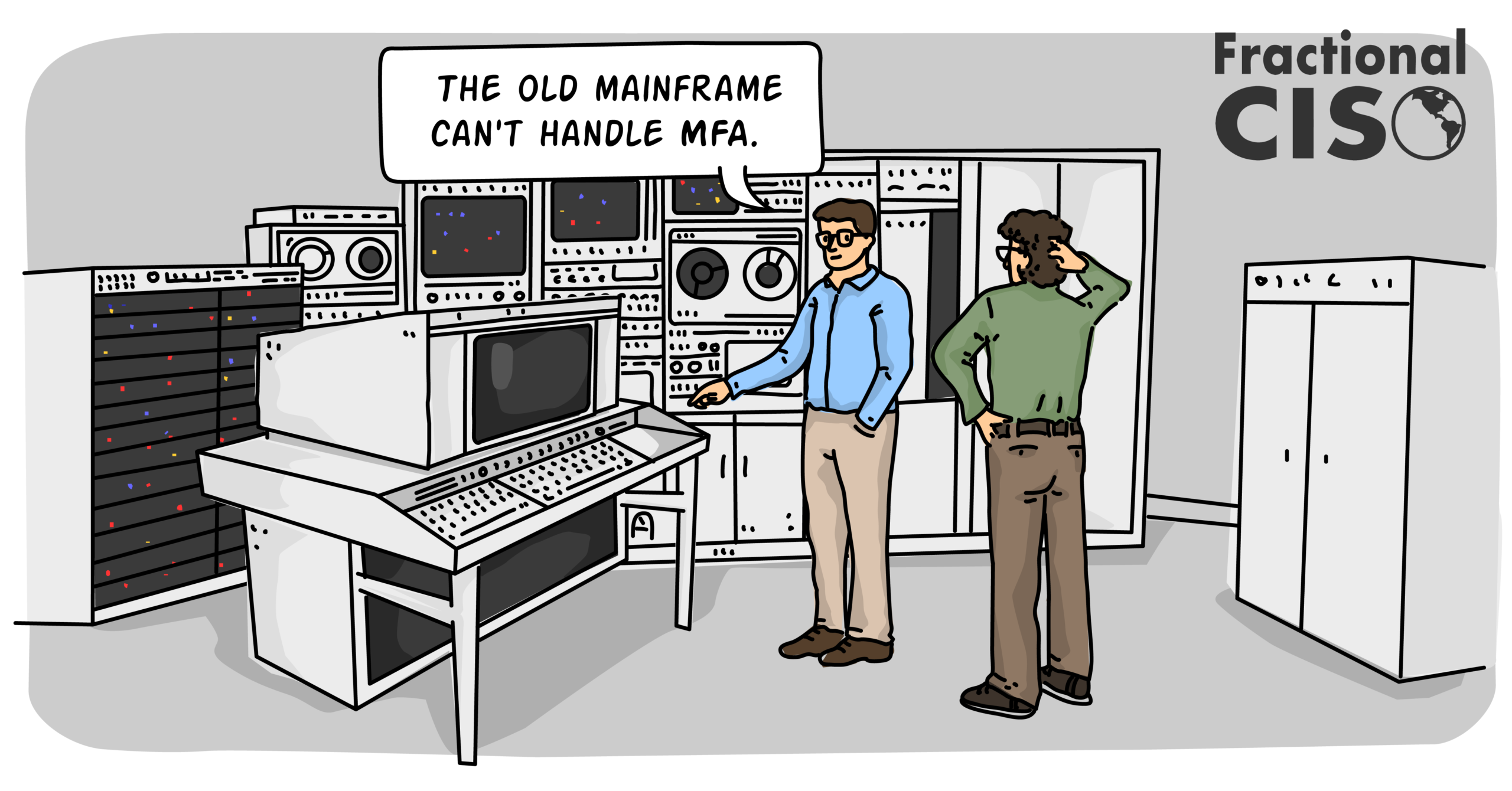
Whatever the reason, a decision I made in the past had constrained my options more than three years later.
Early Choices Matter
“Path Dependence” is a phenomenon in which past events, decisions, or circumstances constrain or shape future outcomes and choices – even if those initial conditions are no longer relevant or optimal.
Businesses – especially those that are small and fast-growing – experience this kind of thing regularly:
- Your 100-person company uses MacBooks because when you and your cofounder started the company, you both had a MacBook. Each time you added an employee, you bought one for them. The industry you are in may now favor Microsoft, but it’s unlikely you’ll ever switch.
- You chose hourly billing because it was simple at the start. Over time, clients have learned to focus on hours instead of outcomes, making it hard to move to more profitable, value-based pricing.
- You picked a location for your business in a particular office park because the rent was cheap. You’ve outgrown the location, but if you move a significant distance, you will drastically affect the commute of your employees who come from many different directions.
When is it Time to Switch?
Of course, as with my remote control dilemma, the time may come where it’s worth the cost and/or headache involved in moving to what is now a more appropriate solution.
But there’s no universal answer as to when you have reached that point; it depends on the specifics.
For example, one of our clients installed infrequently used software as their Mobile Device Management (MDM) solution. Changing to a new solution would require deploying it to every laptop and endpoint in the organization.
Does it make sense to switch? Maybe. How is the existing MDM performing? Can they do all the things a modern MDM can do? What is the cost of making the switch?
Another client uses a particular compliance software because a company they acquired was already using it – even though they would never have purchased it given their current circumstances.
It kinda, sorta works for them and it would be a lot of work to switch. But every day, they pay the cost of limping along with what they are using.
Some Guidelines
If you find yourself faced with these kinds of choices – current options constrained by past decisions – here are some things to consider when thinking things through:
- What is the benefit of the current solution? Does it solve the core problems it is intended to solve?
- What are the risks of switching? What are the risks of not switching?
- If you had a clean slate, would you purchase your current solution? If not, what solution would you use?
- What is the monetary cost difference between the two solutions?
- What are the switching costs for migrating from one to the other?
- If you do nothing, is the current solution likely to get worse, better, stay the same?
- What other projects will go undone if you invest the time and resources to make this change?
Taking these considerations into account will allow for you to make more optimal decisions regarding what to change and, as important, when.
Keep in mind as well that as you continue to grow and expand, today’s decisions become tomorrow’s constraints.
Oh no! My kids are now asking me why we have so many remotes for the basement TV. Time to find that fish tape!
Want to get great cybersecurity content delivered to your inbox? Click here to sign up for our monthly newsletter, Tales from the Click.